0
An empty cart
You have no item in your shopping cart

Timber grades decide how a piece of wood looks, how it performs and what you pay for it. Yet on many sites in Oman, timber is still ordered simply as “whitewood” or “redwood”, with no grade on the order at all. That is how contractors end up paying for clean joinery wood that disappears into formwork, or receiving knotty boards where a straight, sound piece was needed.
This guide explains timber grades in plain language: what the grades measure, what U/S, fifths and sixths mean, how the newer European codes and strength classes fit in, and how to choose the right grade for each job. If you want a deeper look at the two species themselves, read our redwood vs whitewood timber comparison.
There are two different kinds of timber grades, and mixing them up is the most common mistake on the order sheet.
A board can be a low appearance grade and still be perfectly strong enough for temporary works, and a visually clean board is not automatically certified for structural loads. Knowing which kind of grade your job needs is the first step.
Most European softwood is sold under the Nordic timber grading rules, often called the “Blue Book”. These timber grades are judged by eye on all four sides of each piece.
| Timber grade | Also called | What it means | Typical use |
|---|---|---|---|
| U/S | Unsorted, grades I to IV, grade A | The top commercial quality, with the fewest and smallest defects | Joinery, furniture, doors, visible finishes |
| Fifths | Grade V, grade B | Good quality with more knots allowed | General construction, framing, roofing |
| Sixths | Grade VI, grade C | More knots and defects allowed | Formwork supports, packaging, pallets |
| Mixed grades | For example “fifths and sixths” or sawfalling | A blend of grades as they come off the saw | Budget general use |
The rule of thumb is simple: the lower the number, the cleaner the wood and the higher the price. “Unsorted” sounds like the worst grade, but in the timber trade it is the best, because it combines the top four quality classes without sorting them apart.
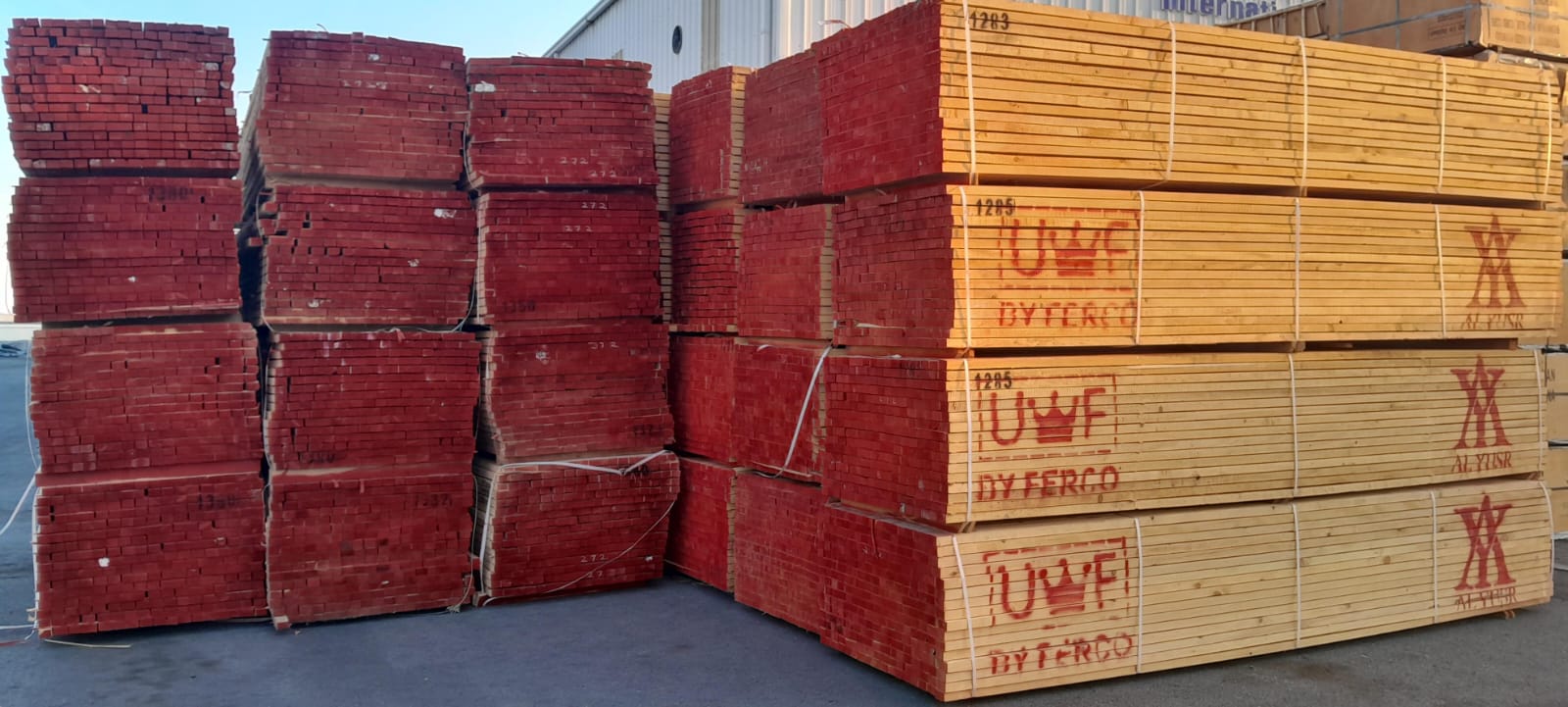
On some delivery notes and mill paperwork you will see codes such as G4-2 or G4-4 instead of fifths or sixths. These come from the European appearance grading standard EN 1611-1. “G4” means the piece is graded on all four sides, and the number after it is the quality class, where 0 is the best.
The two systems are close but not identical, so if your specification names one system, ask your supplier to confirm the equivalent rather than assuming. Sweden’s timber industry body publishes a clear comparison of these timber grades if you want the full table.
When timber carries real structural load, such as roof rafters or permanent framing, appearance timber grades are not enough. Structural timber is strength graded, by machine or by trained visual graders, and given a strength class under EN 338.
Your structural engineer should state the strength class on the drawings. If the drawings do not mention one, the timber is usually being treated as non-structural, and appearance timber grades are what matter.
Whitewood and redwood are trade names for two different trees, and each one is sold across the full range of timber grades.
So “redwood” on its own does not tell you the quality. A sixths redwood board can be rougher than a fifths whitewood board. Always state the species and the grade or the use when you order.
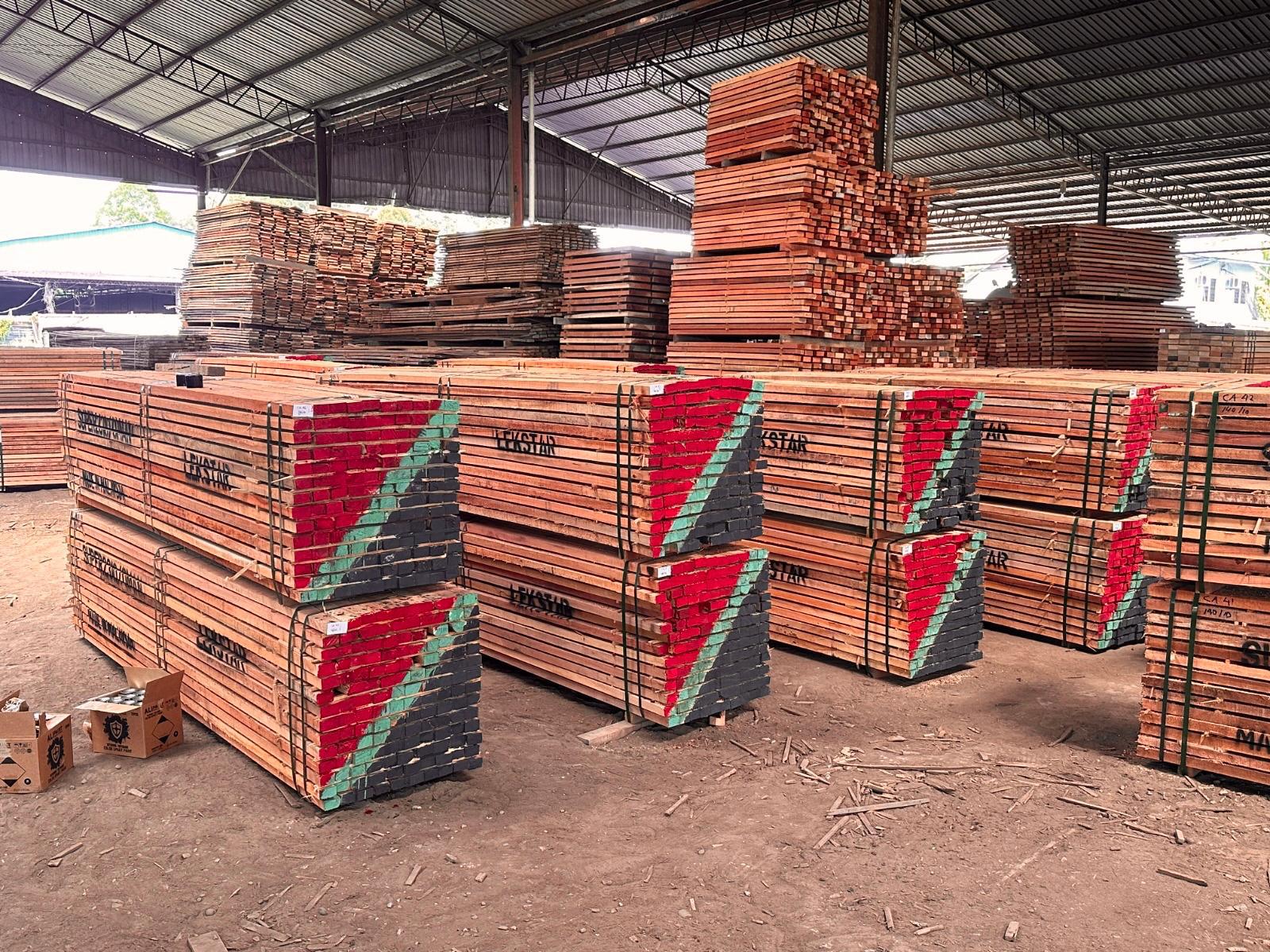
Grade tells you about defects. It does not tell you how wet the wood is. Imported sawn softwood is normally shipped at around 20% moisture content, give or take 2%. Timber that is much wetter than that will shrink, twist and can grow mould, and Oman’s heat speeds that movement up.
Match the grade to the job, not to habit. Paying for the top grade where the wood is hidden is wasted money, and saving on the grade where the wood is visible or load-bearing costs more later.
| Job | Recommended timber grade |
|---|---|
| Shuttering supports, props and bracing | Lower appearance grades (sixths or mixed) are fine if the timber is straight and sound at the load points |
| Battens, fencing, hoarding, packaging | Sixths or mixed grades |
| General framing and roofing | Fifths, or the strength class your engineer specifies |
| Load-bearing structure | Strength-graded timber, C16 or C24 as specified |
| Doors, frames, furniture, joinery | U/S, ideally kiln-dried |
| Outdoor and exposed work | A suitable grade, pressure-treated |
For large flat formwork faces, sawn timber is not the best choice at any grade. Use shuttering plywood for the face and timber for the supports behind it.
Even with the right grade on the order, check every delivery before it is signed for.
The best timber grades lose value fast if they are stored badly. Stack bundles on level bearers off the ground, keep layers straight with spacers, and cover the top from direct sun and rain while leaving the sides open to breathe. Buy to your programme rather than storing timber on site for months. Our timber in Oman guide has more storage tips.
U/S stands for “unsorted”. It is the highest commercial appearance grade, combining quality classes I to IV.
Fifths is the better grade, with fewer defects. Sixths allows more knots and is used where appearance does not matter, such as formwork supports and packaging.
Redwood is denser and tougher-wearing, and it holds fixings well. At the same strength class, such as C16, the design strength values are similar. For structural work, the strength class matters more than the species.
For supports, props and bracing, lower appearance grades give the best value, as long as each piece is straight and sound where it carries load.
Al Yusr has been building Oman since 1975. We supply whitewood timber in 1×4, 2×3, 2×4, 3×3 and 4×4 inch sections and redwood timber in 2×3 inch, 10 ft and 12 ft lengths, both supplied from Romania. Shuttering plywood, steel rebar and BRC mesh can go on the same delivery. Stock is held in Muscat and across our 8 branches: Ghala, Sohar, Musanaa, Barka, Nizwa, Ibri, Sur and Salalah.
Not sure which timber grade your job needs? Send us your drawing or material list and we will match the section, length and quality to it. Call +968 9602 2333 for a quote, or browse our whitewood and redwood timber.